
Cheat Lake Dam Owner Left Kids to Play in Trash, Gave False Statements to Feds, Endangered Public: says Local Group as Health Dept, Senator Capito Respond
This is Part 2 of the Cheat Lake series. Read Part 1 here for how Eagle Creek Renewable Energy executives are proposing to charge Mountaineers an "entry fee" for the Cheat Lake Park & Trail located on Morgans Run Road.
Children Forced to Play amid Trash at Cheat Lake beach area as Dam Owner Faces Allegations of Neglecting Federal Obligations
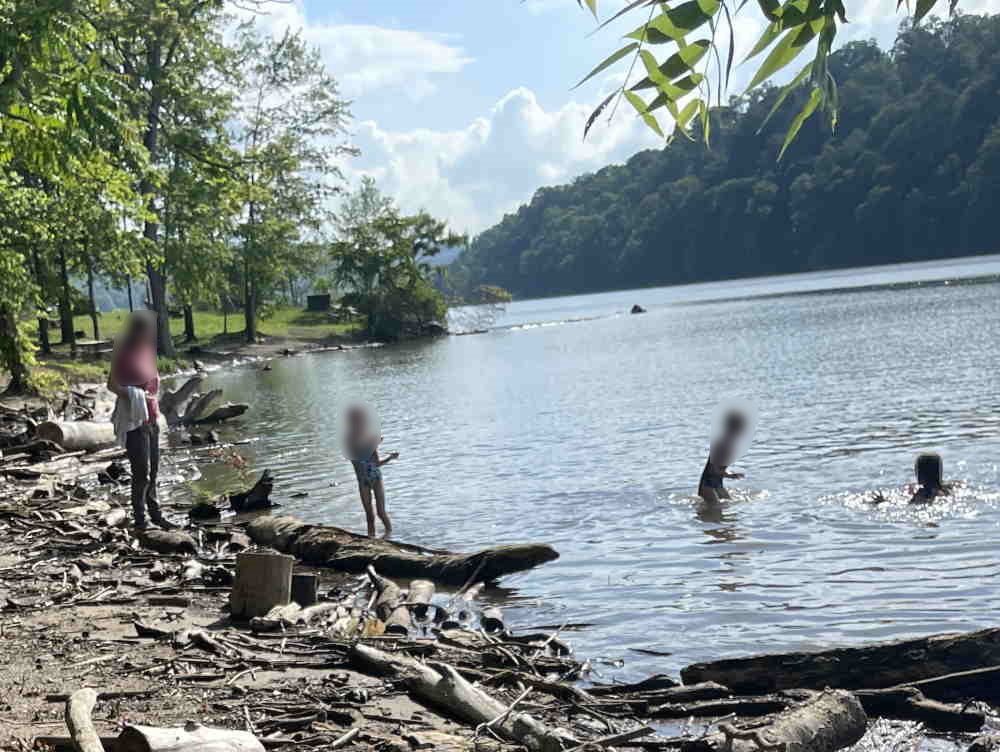
A local group calling itself Save Cheat Lake has filed a 39-page complaint with the Federal Energy Regulatory Commission (FERC), accusing Eagle Creek Renewable Energy—the new owner of the Cheat Lake hydroelectric dam—of “gross and willful negligence” in violation of the Federal Power Act.
The Federal Power Act of 1920 mandates that dam operators must balance hydroelectric operations with public access and recreational use. Section 797 of Title 16 of the U.S. Code requires equal consideration for recreation when issuing dam licenses.
The Federal Energy Regulatory Commission (FERC), under the U.S. Department of Energy, enforces these regulations and has the authority to impose financial penalties or revoke licenses for noncompliance.
Evidence of Neglect, False Statements: says report
The Cheat Lake Rotary Club, Save Cheat Lake and individual residents allege that Eagle Creek Renewable Energy has failed to maintain safe and accessible public facilities.
Section 2.7 of Title 18 in the U.S. Code of Federal Regulations outlines dam owners’ financial and public safety obligations, including to “develop suitable public recreational facilities upon project lands and waters and to make provisions for adequate public access to such project facilities and waters” in addition to complying with Federal, State and local regulations for health, sanitation, and public safety.
Save Cheat Lake is urging FERC to impose the maximum civil penalty of $257,562 per day, based on nine alleged violations. Legally, that is possible. According to Part 385 of the Federal Power Act, any licensee may be subject to civil penalties of “up to $28,618 for each day that the violation continues.”
Despite the appearance of a high dollar fine, OPG’s 2024 financial report lists a massive $69 billion in assets and $7 billion in 5-year revenue funneled back to the Ontario Canada government. OPG is the current owner of Eagle Creek Renewable Energy LLC which operates 85 hydroelectric facilities in the United States. The Cheat Lake/Lake Lynn Generation project alone is valued at over $96 million, according to the dam’s re-licensing application.
In response to Jody Smet’s claim that it remains committed to “providing a high-quality recreational experience,” Save Cheat Lake submitted over 100 photographs documenting deteriorating conditions. Smet is Vice President of Regulatory Affairs at Eagle Creek Renewable Energy's office in Bethesda, Maryland. The group also alleges that Eagle Creek staff targeted individuals who opposed its re-licensing in 2023. FERC has been called upon to investigate.
The dam’s license expired in November 2023. FERC has yet to issue a new license and is conducting an environmental assessment, planned for publication on January 30, 2026. The notice, sent weeks before the government shutdown, says “staff is still evaluating the effects of re-licensing the Lake Lynn Project.” Lake Lynn Generation is the official name of the dam, named after the original 1920's builder, Albert M. Lynn, President of Allegheny Power's West Penn Power subsidiary. FirstEnergy Corp purchased Allegheny in 2011. Eagle Creek Renewable Energy acquired the dam some years later.
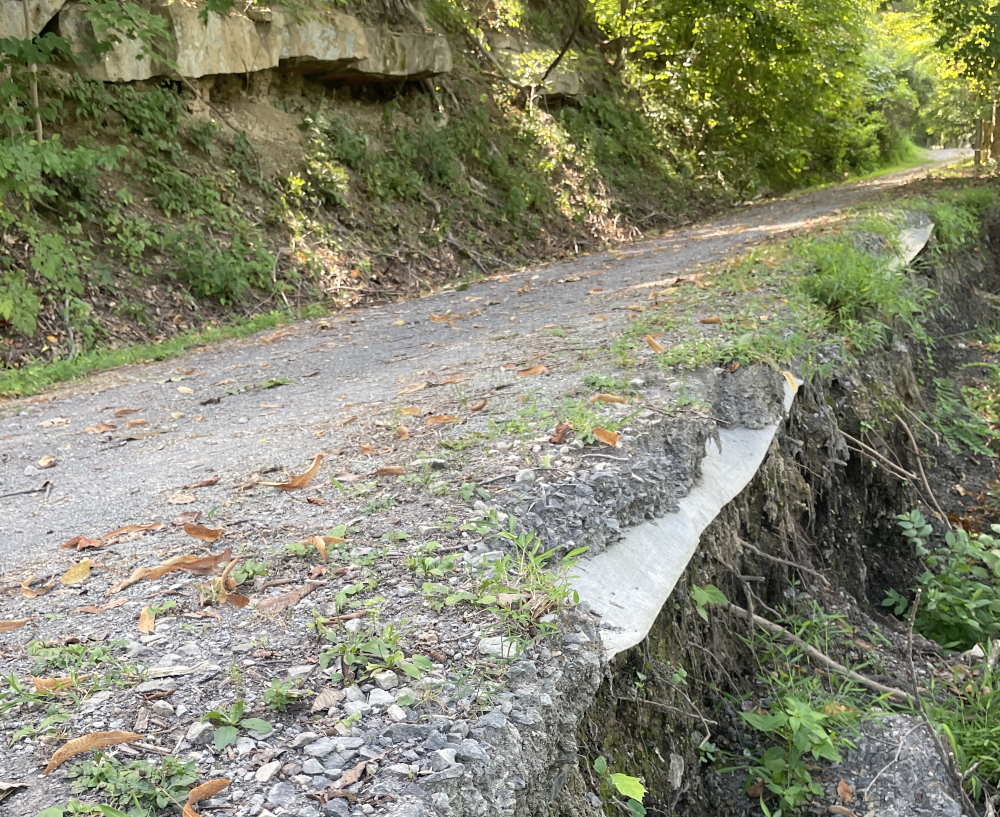
One day before the above photo was taken, the dam told federal regulators that the company is "proud that Cheat Lake Park remains well-maintained, safe, and welcoming for the public."
Save Cheat Lake says these statements are false. Dozens of photos taken immediately after the dam's official statement to the feds show the project is unmaintained, unsafe, and ultimately, out of federal compliance.
Monongalia County Health Department steps in to remove public drinking water hazard
Following a water line leak, dam officials shut off potable water at Cheat Lake Park. They claim repairs won’t be possible for another two years, leaving the park without water for a total of three years. Locals have questioned the validity of this timeline.
In the interim, Eagle Creek installed portable toilets and an office-style water cooler outdoors. Save Cheat Lake warned the public not to drink from the dispenser, citing risks issued from the machine’s manufacturer.
The National Center for Biotechnology Information hosts numerous studies linking bottle cooler dispensers with bacteria growth even with normal use. Although none of the studies examine machines installed inappropriately.
Primo’s operating manual explicitly states that its coolers are “for indoor use only” and warn users, “do NOT use outdoors.”
Nevertheless, dam officials placed one outside—until the Monongalia County Health Department (MCHD) intervened.
In an emailed statement to WVMAD, MCHD Public Information Officer MaryWade Burnside stated that MCHD Environmental Health Program Manager Jennifer Costolo-Michael called the dam’s maintenance director on September 3 and “requested that any water available to the public at Cheat Lake Park be removed” after MCHD learned the machine was installed in total disregard of the manufacturer’s hazard warnings.
Senator Capito asks FERC to provide her office with findings
U.S. Senator Shelley Moore Capito asked FERC to “look into” issues raised about the dam’s federal compliance and to provide her office with their findings, according to a letter published by FERC’s eLibrary last week.
The Rotary Club of Cheat Lake wrote to Sen. Capito this summer after “recent observations and community reports have raised serious concerns.” The club outlined a list of problems they had with the dam owners after hosting their popular Cheat Lake Poker Run event.
The club asked Sen. Capito to hold the dam owners “accountable to the public trust they are licensed to uphold.”
While FERC approved Lake Lynn Generation’s 2024 update to the RMP [Recreation Management Plan], that approval came with the continued obligation to maintain all recreation facilities as outlined in the license. Despite this, the visible and persistent neglect undermines the quality of public access and safety, and fails to meet the spirit of the agreement. –Rotary Club of Cheat Lake
Eagle Creek remains silent, Controversial remarks resurface
WVMAD reached out to Ontario Power Generation and subsidiary Eagle Creek Renewable Energy on multiple occasions. We gave them over a week to respond to our list of questions, including “Do you deny providing false statements to FERC?” OPG confirmed receipt of our inquiry. However, neither entity would respond.
The last public remarks from dam representatives came during the re-licensing meeting in a Morgantown hotel ballroom filled with concerned Mountaineers. Eagle Creek Renewable Energy VP Jody Smet mockingly lashed out, “You guys have this figured out, so I’ll leave it to you,” according to the FERC transcript. Residents say the entire room audibly gasped.
What do you think, Morgantown? OPG’s website brags about sending over $988,000,000 of profits last year to the Province of Ontario, Canada—their single shareholder. Not West Virginia. Not America. Millions in clean hydro profits appear to flow north while West Virginia kids are left with a filthy beach, dangerous drinking fountains, and an entrance fee. Perhaps Mountaineers at the re-licensing meeting had them “figured out” after all?
Public Document: Cheat Lake RMP Recreation Management Plan
Public Document: FERC Compliance Letter to OPG Eagle Creek August 7 2025
Public Document: OPG Eagle Creek Response to FERC August 22 2025
Public Document: Save Cheat Lake Report to FERC August 28 2025
Public Document: Senator Capito Letter to FERC September 30 2025